13 December 2006

最後に、すりこぎ+すり鉢で「チャイ」づくり /chai at Academy's tea room


作業が終ったあとは、みんなでアカデミーの茶室へ移動しました。
できあがったすりこぎとすり鉢でさっそくスパイスを挽き、スパイスティーを味わっていただく。この講座の最後を締める企画でした。そう、そのためのすりこぎとすり鉢だったのです。
We moved to the Academy's tea room after everyone finished a pestle and a mortar. The last programme of this course was to grind spices with their own pestles and mortars to make spice tea.


スパイスティーはインドの「チャイ」です。作り方は簡単。お湯と牛乳半量ずつをわかして紅茶を入れ、すり潰したクローブ、カルダモン、シナモン、ショウガを入れます。しばらく煮立てたらできあがり。砂糖を入れて甘くして飲むとおいしいです。
みなさん、できたての作品でさっそくスパイスをすっています。
We made Indian 'Chai'. The recipe is simple: put the same amount of milk and water into the saucepan, add some leaf tea and bring to boil, add some ground cloves, ground caldamon pots, ground cinnamon and fresh ginger, simmer for a while. Serve with some sugar.


ごりごり。
旋盤ではツルツルピカピカに仕上げたいものですが、なかなかうまくいかないもの。でも、粗く仕上がっていたほうがすり鉢としては機能的。初心者の方向けの講座としては、ぴったりの制作物でした。
Normally the participants of woodturning course want smooth and glossy surface on their turning piece, but it is a bit difficult for the beginners. Mortars were the best thing to make for them because a rough mortar works better for grinding purpose!


スパイス投入!
Adding spices.


チャイを煮立てる間に、一人ずつ作品の発表会。
最近還暦を迎えられた参加者の方は、すり鉢に「還暦」の文字を刻んでおられました。
Everyone showed their work while making chai. A participant who has just become sixty wrote 'sixtieth anniversary' on the side of his mortar.


チャイができました!
みなさんおいしい顔してますね。暑い国の飲み物ですが、ショウガが入っているので体が温まります。
See their happy smiles with nice chai! It warms your body up despite it originated from hot country.


旋盤の技術だけを教えるのではなく、材料が育った地域の森にも関心を持ってもらう。人力だけで削ってみることで、エネルギーのありがたさや環境問題の大切さ、先人の知恵や苦労にも思いをはせてもらう。ものをつくるだけでなく、できたもので暮らしを楽しく彩ってもらう。
これから旋盤の世界に入ってこられる方々に、ものづくり研究会として理想的な道案内ができたのでは、と思います。
The idea of this short course was: to experience the history of turning and the life of turners, to raise the awareness to the local forest and the environment, to feel how precious the enegy is, to enrich everyone's life with crafts, not only to teach woodturning skills and make something.
We believe this was the ideal introduction to woodturning beginners.


ところでこのような一般向けの講座には、研究会の学生が企画・運営に関わっているのをご存知でしたか?ものづくり研究会では「つくる」だけでなく「伝える」活動を重視するので、講座を運営するのも大切な実習なのです。今回の講座はものづくり研究会2年生の桑村恭彦君が企画、総合司会を務めました。大役、おつかれさま!
Such short courses for the public are often planned and run by Academy's students. We regard educational skill is important for craftspeople as well as making skill. This time Yasuhiko Kuwamura, a second-year student, planned and prisided at the course. Well done!

12 December 2006

そして人力編!/ man-powered turning


さて電動旋盤組が「すり鉢」を作っている間、会場の奥のほうでは人力組が「すりこぎ」を作っていました。
なぜ今どき「すり鉢とすりこぎ」なのか?それは次回タネ明かしをすることにいたしましょう。
While electric lathe group was turning mortars, man-powered turning group was making pestles at the other side of the venue. Why pestles and mortars? Check it out on my next post.
人力組は生木をナタで割るところから始めます。この木はアカデミーの学生たちが実習で郡上の森から伐ってきた間伐材で、径が小さくこうして使われることがなければチップなどにしか加工されないものです。カエデやブナを用意しました。
参加者のみなさんは60歳前後の方が多かったので、僕よりずっと上手なのでは・・・と思っていたのですが、意外にも初めての方ばかりでしたね。
We started from cleaving a log into small bits. These logs, such as maple and beech, were thinned by Academy's students at a forest in Gujo. They are so small in diameter that they would only be used as pulp chips unless we use them.
The participants were mostly late 50s and early 60s and I expected they had some experience in cleaving, but no one actually did.


ナタで適当な大きさに割った後は、オノで皮をはぎ、丸い形に近づけていきます。
Shaping the cleft bits into a rough cylinder with an axe.


これは「シェービングホース」です。アルプスの少女ハイジで、おじいさんがこの道具を使っていたのを覚えているでしょうか。羊飼いのペーターもこの道具で手づくりのソリを作って、ソリレースで優勝するのです。それを機にペーターは木工に興味を持つようになり、森林文化アカデミー・ものづくり研究会の門を叩く・・・そんなストーリーでした。
それはさておき、センという刃物でさらに丸く削っていきます。英語ではドローナイフ。ナタやオノ、そしてこのドローナイフもそうですが、西洋で使われているものと日本のものは形がほぼ同じです。
Another shaping process with a draw knife on the 'shaving horse'. Interestingly these green woodworking tools, such as drawknives, axes and froes are very similar in Japan and Western countries.


シェービングホースが終ると、こんどは「足踏み旋盤」。このブログでも何度かご紹介していますが、イギリスで習ってきたものです。この手のものは日本にないので、みなさんずいぶん珍しそうでした。コツを覚えると初めての人でもすぐにうまく削れるようになります。やわらかい生木を使うのでサクサク削れて気持ちいいですよ。
Turning on a pole lathe. We don't have this type of lathes in Japanese history so everyone was curious. It was easy enough for beginners to turn a green wood on it.


最後に先端の形を整えるのを、この「手挽きろくろ」でやりました。この講座のために作ったオリジナルで、材料をつかむところも木でできています。実はこの工程がいちばん疲れました!3分ひもを引いているともうヘトヘト汗だく。この手挽きろくろ、昔はだんなさんが楽な刃物の方、奥さんが大変なひもの方を担当していたのだそうですが、木地師の奥さんの苦労がしのばれます。机の上の砂時計、見えますか?どれだけ時間がかかるか計ってもらい、交代の目安にもしてもらいました。
Final process involves Japanese traditional lathe. These lathes were made in Academy specially for this course. The base, the shaft and the chuck were all made of wood. Japanese turners used to use this tool and it was always wife's role to pull the rope. We tried and found that this was the most tiring process of all. Three minutes of pulling makes your arms powerless. A sandglass on the table was telling the turner and the puller to swap their roles!


11 December 2006

大好評の旋盤講座・電動編 /woodturning short course


ものづくり研究会が企画する生涯学習講座は毎回抽選になるほどの人気ですが、とくに受講希望が多いのが「旋盤講座」です。12月3日(日)に、その旋盤講座を実施しました。今回は入門編として、はじめて旋盤に触れる方が対象です。
いままでは定員10人で、電動の木工旋盤の使い方を学ぶ講座でした。
今年は定員を倍にして、新しい試みを加えてみました。参加者の方を二手に分け、午前と午後でそれぞれ電動の旋盤と、人力の旋盤(!)を体験していただこうという企画です。
We had a woodturning short course for the beginners on the 3rd December.
Our woodturning courses for the public are always so popular that we need to limit the number of applicants. This time we doubled the number from ten to twenty, and added a man-powered turning programme to it.


電動部門のほうだけでも、中身は盛りだくさんです!
まずは静岡県浜松市で「木工旋盤同好会」を主宰する鈴木直人さんに講師としておいでいただき、旋盤の使い方の説明、木のボールペンづくりの実演をしていただきました。
There's a lot to learn even in the electoric-lathe-turning programme. Mr. Naoto Suzuki, who runs woodturners' association and a shop in Hamamatsu, gave a lecture on how to use the lathe and to turn a wooden pen.


鈴木さんにお持ちいただいた箱根の寄せ木を使ったペン。綺麗でした。1種類の木で作るのとはまた違った味わいがあります。
Mr.Suzuki's parquetry pens show beautiful colour and texture.


そのあとはものづくり研究会が誇るウッドターナー・山口による刃物の使い方の講習。今回は小さな「すり鉢」を作ったのですが、どう刃物を木に当てればよいか基礎を学んでいただきました。
Another lecture for the tools by Mr. Hiroshi Yamaguchi, a lecturer and woodturner of our Academy. He showed the participants how to use woodturning gauges to make a small wooden 'mortar'.


ちなみに山口はこんなのを挽きます。すごい!
Hiroshi's recent work!


座学が終ると、さっそく本番。完成まで2時間半なので、みなさん一生懸命でした。
Then they started turning. There was only two and a half hours from start to finish. Note their serious faces!


26 October 2006

Why I was so busy in September / 9月が忙しかったわけ


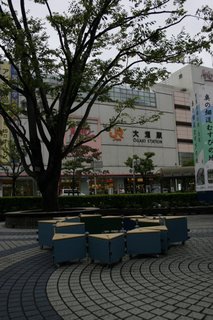
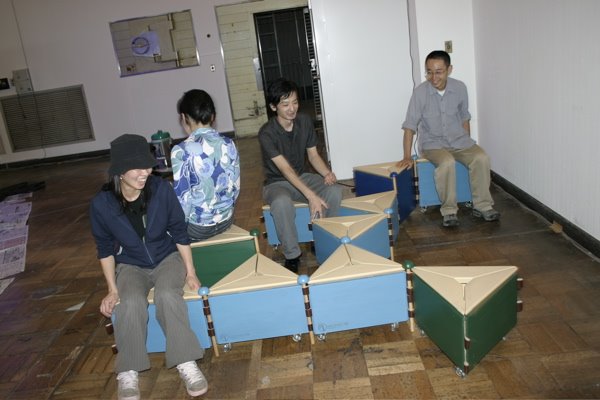
The reason I was not able to update this blog for such long time is that I was in charge of making 35 benches for the event called 'Ogaki Biennale'.
Furniture and Craft making dept. was commissioned those outdoor benches to promote the event from IAMAS, the organizer.
We held a design competition of the bench among tutors and students, and Hiroshi Yamaguchi, another tutor at the dept., won it. He drew the drawing, organized the project, and some students and I made them.

This is one of the notable features of our college; we take commission from the public and students learn by the 'real' work.
But the trouble is that those commission often come when we are already busy!

The benches were delivered to Ogaki city after a few weeks of hard work.
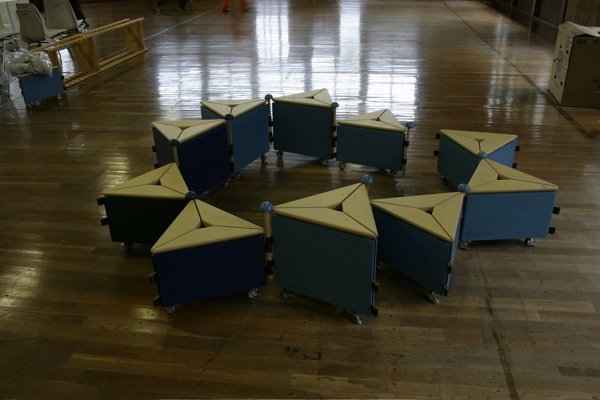
They link each other and you can connect them in various shapes. The client was so happy with the result and we were happy too.


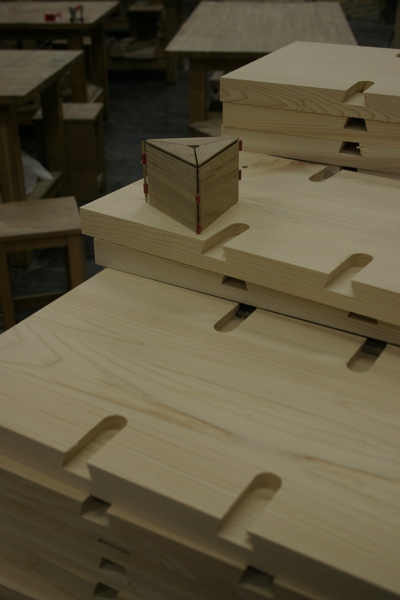
1/5 model


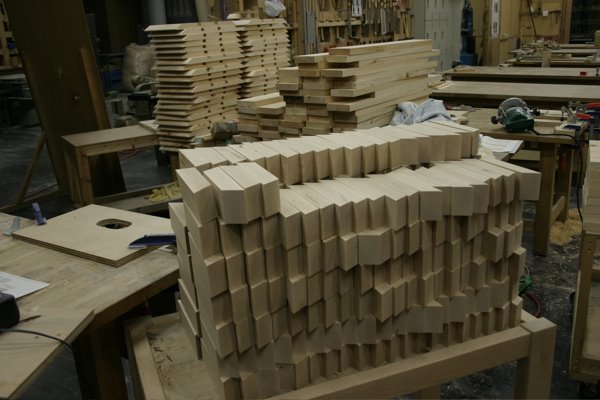
mountains of bench parts!
部材の山!


at the delivery
納品先にて


ブログがずっと更新できないほど9月が忙しかったのは、「おおがきビエンナーレ」というイベントのためのベンチを35台制作していたためでした。アカデミーのものづくり研究会がイベントの主催者・IAMASより、屋外に置く宣伝用のベンチの注文を受けたのです。
研究会では教官・学生を交えてデザインコンペを開き、僕の同僚の山口さんのデザインが採用になりました。彼が図面を描き、全体のプロジェクトをまとめ、僕と学生数人が制作担当でした。

外部から商品の注文があり、学生は本物の商品を作ることで家具づくりを学ぶ –これはアカデミーの特色のひとつです。問題は、忙しいときにそういう注文が舞い込む場合がありえること!今回はまさにそうでした。

ともあれ数週間の格闘の後、無事ベンチは大垣へ。
このベンチ、写真のようにいくつもつなげることができ、いろんな形で設置できます。
IAMASの方にも気に入っていただけたと聞いて、僕も疲れがとれました^^。

Long time no posts! / 久々の更新です!


It’s been almost two months since I last updated this weblog!
September was the busiest month for me and I had no energy to update the blog despite there were so many news and activities to tell you.
Now that the busiest time has gone (so I hope), I would like to show you our latest activities and products one by one.

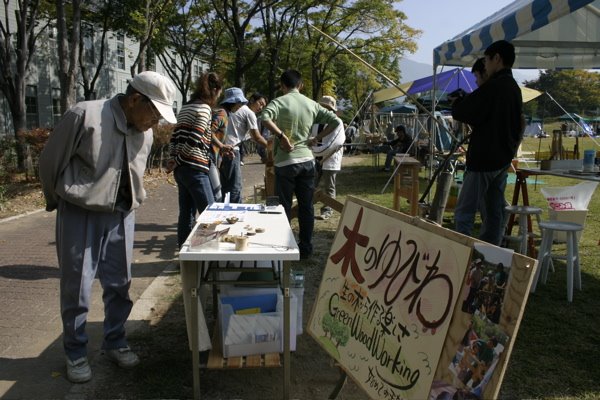
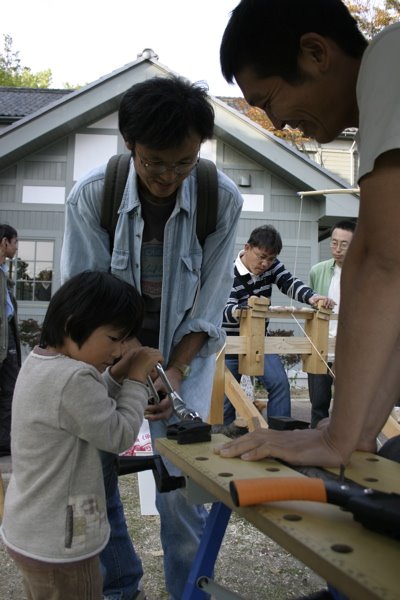
We had a ‘wooden ring making workshop’ with Shinsuke Kato, a green woodworker, at Matsumoto Craft Picnic on 21-22 October. Three students, a graduate and myself from the Academy attended as assistant staffs.

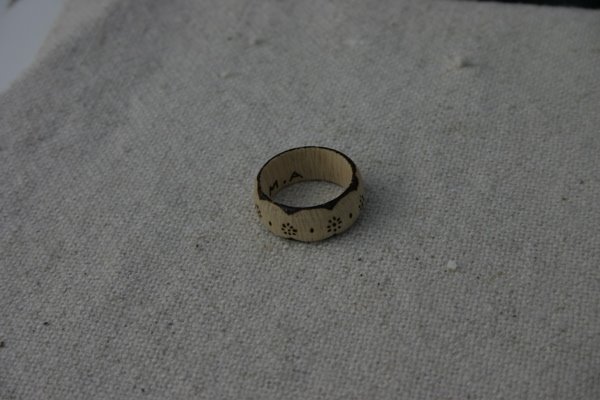
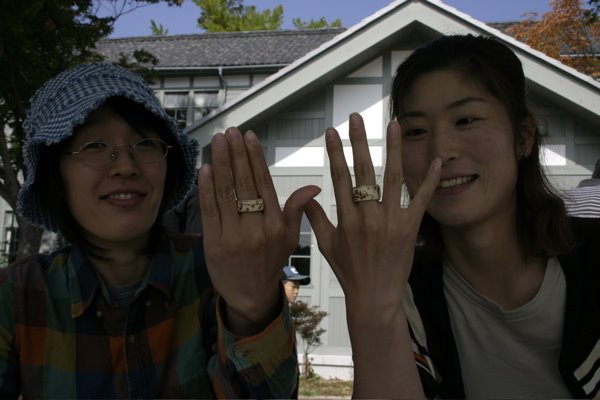
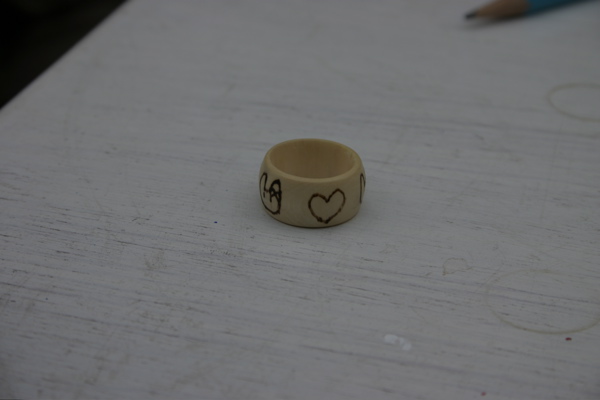
The wooden ring is turned on the pole lathe and decorated with wood burning pen. It is Shinsuke’s idea to make those rings from green wood and he developed a workshop program so that everybody (even a child) can make one in an hour.
Shinsuke visited the Academy to give a tuition to our student staffs before the event, too.

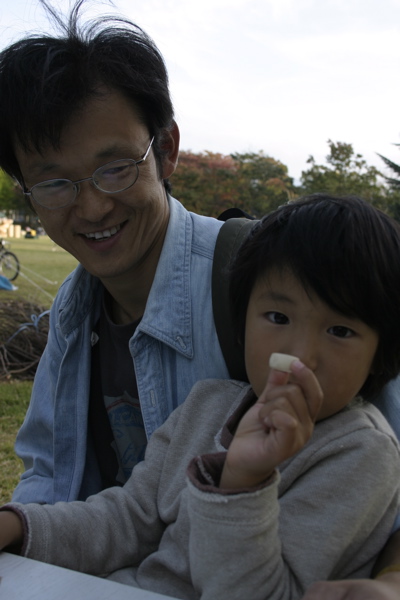
The event was so fun with beautiful weather, many workshops providing interesting courses, and many visitors with smile on their faces. Eighteen of them, including some children, enjoyed ring making.

It’s so nice to be out there, to work with wood under the sun. I am hoping to develop many other green woodworking programs.


前回更新してから2ヶ月も空けてしまいました!
9月はことのほか忙しく、いろいろお伝えしたいことはあったのに、ブログ更新からずっと遠ざかっていました。忙しさも一段落したので、最新の活動や制作物などをひとつずつご紹介していきたいと思います。

10月21〜22日「松本クラフトピクニック」で、木工家の加藤慎輔さんと一緒に「木の指輪づくり」のワークショップをやってきました。アカデミーからは僕と学生3人、卒業生1人がスタッフとして参加しました。

木 の指輪は、生木の枝を足踏み旋盤で挽いたあと、焼きペンで焦がして模様をつくります。加藤さんがアイデアを考え、作り方を工夫して、誰でも(子どもでも!)1時間で作れるプログラムに仕上げました。加藤さんは事前にアカデミーにも来てくれて、学生スタッフに作り方の指導もしてくれました。

クラフトピクニック当日はたくさんのものづくりワークショップが並び、お客さんもみんな笑顔、天気にも恵まれて最高でした!子どもも含めて18人のお客さんが指輪づくりを楽しみました。

お日さまのもとで木を削る、楽しいですねえ。こんなグリーンウッドワークのプログラムをもっと増やしていきたいと思っています。